Coaching
Growth
Community.
thecoachingcollectiveonline.com


How to Spot Toxic Behaviors in Relationships: Recognizing Red Flags
How to Spot Toxic Behaviors in Relationships: Recognizing Red Flags
Written by Pamela Rupprecht · Feb 19, 2025 · 3 min read
Identifying toxic behaviors in relationships is essential for protecting your mental and emotional well-being. Everyone deserves to feel safe, respected, and supported in their personal connections. Learning to recognize red flags empowers you to make informed and healthy decisions.
Understanding Toxic Behaviors
Toxic behaviors often stem from insecurity, emotional imbalance, or unresolved trauma. These patterns can damage trust, lower self-esteem, and create ongoing stress for one or both partners. Awareness of these dynamics is a critical step toward emotional safety and healing.
Common Red Flags to Look Out For
1. Control Issues
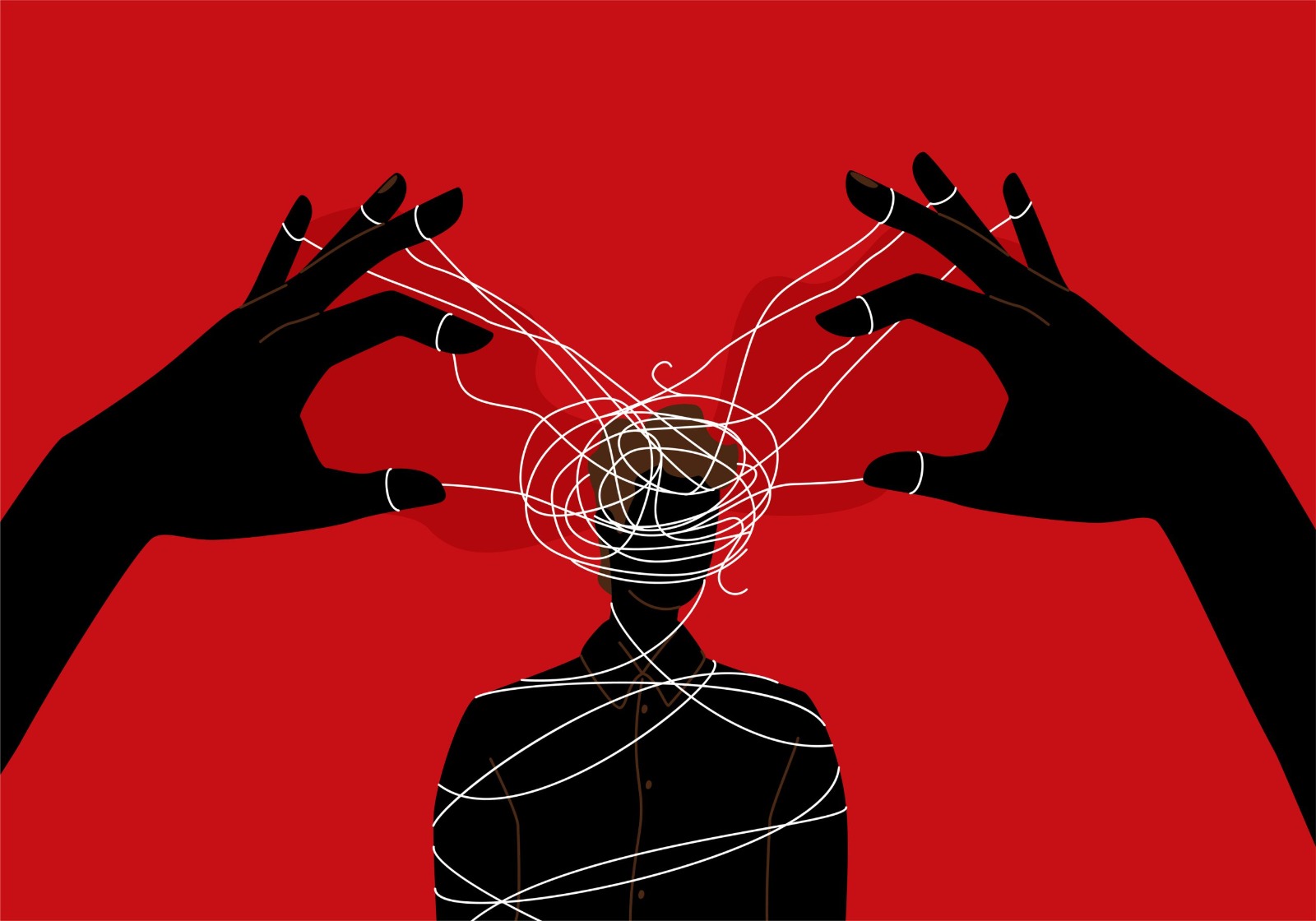
Controlling behavior may appear as micromanaging your choices — including what you wear, who you see, or how you spend your time. Over time, this can escalate into emotional manipulation, limiting your independence and sense of self.
2. Constant Criticism
Frequent belittling, even when framed as humor, can severely impact self-esteem. Repeated negative remarks about your appearance, abilities, or decisions can lead to self-doubt and emotional distress. Healthy relationships foster encouragement, not degradation.
3. Emotional Unavailability
Emotional unavailability occurs when a partner avoids meaningful conversations, dismisses your feelings, or disengages during important moments. Strong relationships rely on emotional presence, mutual understanding, and open communication.
4. Excessive Jealousy
While occasional jealousy can be normal, excessive jealousy often signals deeper trust issues. Constant accusations or resentment toward your friendships can create an atmosphere of suspicion rather than security.
5. Lack of Accountability
A lack of accountability shows up when a partner refuses to take responsibility for their actions and consistently shifts blame. Statements like “It’s your fault I reacted that way” can invalidate your experience and erode trust over time.
How to Address Toxic Behaviors
If you recognize these red flags, it’s important to respond thoughtfully. Begin with open, honest communication using “I” statements to express how certain behaviors affect you. For example, “I feel controlled when decisions are made for me.”
If harmful patterns continue despite your efforts, seeking professional support — such as individual or couples counseling — can provide guidance and clarity.
Taking Charge of Your Relationships
You deserve relationships where your boundaries are respected and your needs are honored. Feeling safe to express yourself is a fundamental part of emotional health.
By recognizing toxic behaviors and addressing them proactively, you create space for healthier connections rooted in respect, communication, and mutual growth.
Similar Publications
Newsletter
Subscribe our
newsletter

By clicking the submit button, you agree to the
rules for processing personal data.